Spokane Rooter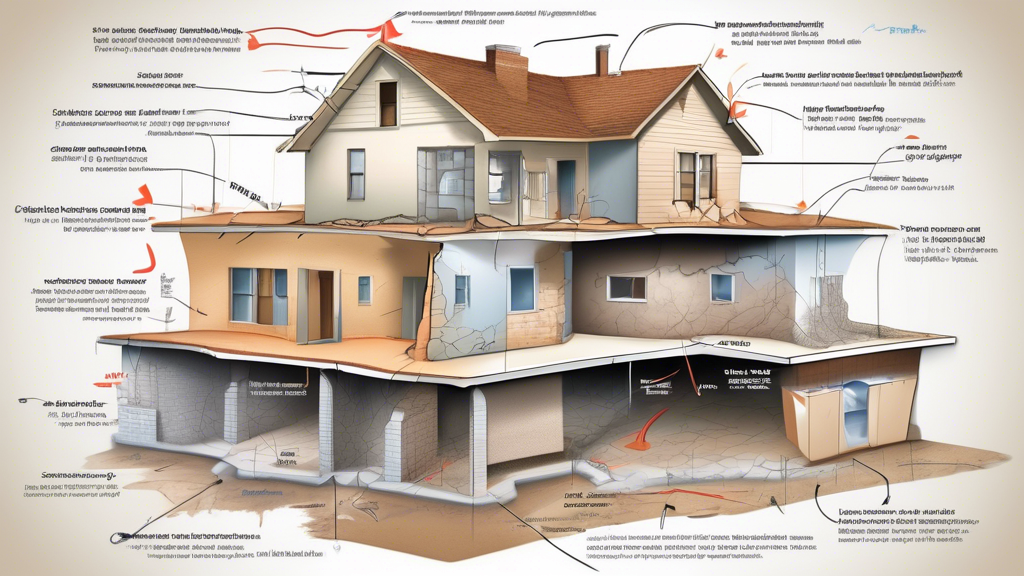
Foundation issues can spell trouble for any building, whether it’s residential or commercial. The foundation is one of the most critical elements of a structure, serving as the base that supports the entire building. Over time, various problems can arise, potentially compromising the structural integrity of the property. Understanding these common issues can help in taking timely actions to prevent further damage. This article will delve into some of the most prevalent foundation issues, their causes, and potential solutions.
Signs of Foundation Problems
Before diving into specific issues, it’s crucial to recognize signs that indicate potential foundation concerns. Common symptoms include:
- Cracks: Cracks in the walls, floors, or foundation itself can signal underlying problems. Vertical, horizontal, and stair-step cracks each have different implications.
- Doors and Windows: If doors and windows become difficult to open or close, it could be due to foundation settlement causing shifts and misalignments.
- Uneven Floors: Sloping or sagging floors are a telltale sign of foundation issues, indicating that the foundation may be sinking or shifting.
- Gaps: Gaps between the wall and ceiling or floor, as well as gaps between exterior doors and windows, can also suggest foundation movement.
- Water Intrusion: Persistent moisture or water pooling around the foundation could lead to or exacerbate foundation problems.
Types of Foundation Problems
Settlement
Settlement occurs when the soil beneath the foundation cannot bear the structure’s weight, causing the building to sink or settle unevenly. This can lead to cracking in the foundation and walls, as well as misalignment of doors and windows. Several factors contribute to settlement, including inadequate soil compaction, changes in moisture levels, and heavy loads on the structure.
Soil-Related Issues
Soil plays a significant role in foundation health. Expansive soils, such as clay, swell when wet and shrink when dry, leading to constant movement under the foundation. Conversely, poorly-draining soils can retain water, causing hydrostatic pressure against the foundation walls. Both conditions can lead to cracking and other structural issues.
Poor Construction
A foundation is only as good as the methods and materials used in its construction. Poor workmanship, insufficient reinforcement, or using low-quality concrete can result in a weak foundation susceptible to cracking, settling, and other issues. Ensuring that the foundation is built according to industry standards is crucial for long-term durability.
Water Damage
Water is one of the leading causes of foundation problems. It can come from various sources, including poor drainage, leaks, or flooding. Water weakens the soil structure, reduces its load-bearing capacity, and can lead to hydrostatic pressure against foundation walls, causing cracks and structural damage.
Tree Roots
While trees are aesthetically pleasing, their roots can pose a significant threat to foundations. Roots can extend far from the tree and invade the soil beneath the foundation, causing heaving or uneven settlement. Additionally, tree roots can absorb moisture from the soil, exacerbating issues with expansive soils.
Solutions to Foundation Problems
Addressing foundation issues promptly is crucial to prevent further damage and maintain the structural integrity of the building. Some common solutions include:
Foundation Repair Methods
- Piering: This involves driving steel or concrete piers deep into the ground to reach stable soil or bedrock, providing support for the foundation and lifting it back into place.
- Slabjacking: Also known as mudjacking, this process involves pumping a mixture of cement and other materials beneath the foundation to lift it and provide additional support.
- Carbon Fiber Reinforcement: Used to stabilize cracked or bowed foundation walls, carbon fiber straps are applied to the walls to add strength and prevent further movement.
Drainage Solutions
- Grading: Ensuring that the ground slopes away from the foundation can help direct water away from the building.
- Gutters and Downspouts: Properly installed and maintained gutters and downspouts can prevent water from pooling around the foundation.
- French Drains: These are trenches filled with gravel and a perforated pipe that redirects water away from the foundation.
Preventive Measures
While repairs are necessary to address existing issues, preventive measures can help avoid future problems. Regular inspections, maintaining proper grading and drainage, and monitoring the health of trees near the foundation can all contribute to the longevity of your foundation.
Conclusion
Foundation issues can significantly impact the structural integrity and safety of a building. Recognizing the signs, understanding the causes, and implementing timely solutions are key to maintaining a strong and stable foundation. Regular maintenance and proactive measures can go a long way in preventing severe damage and ensuring the longevity of your property.