Spokane Rooter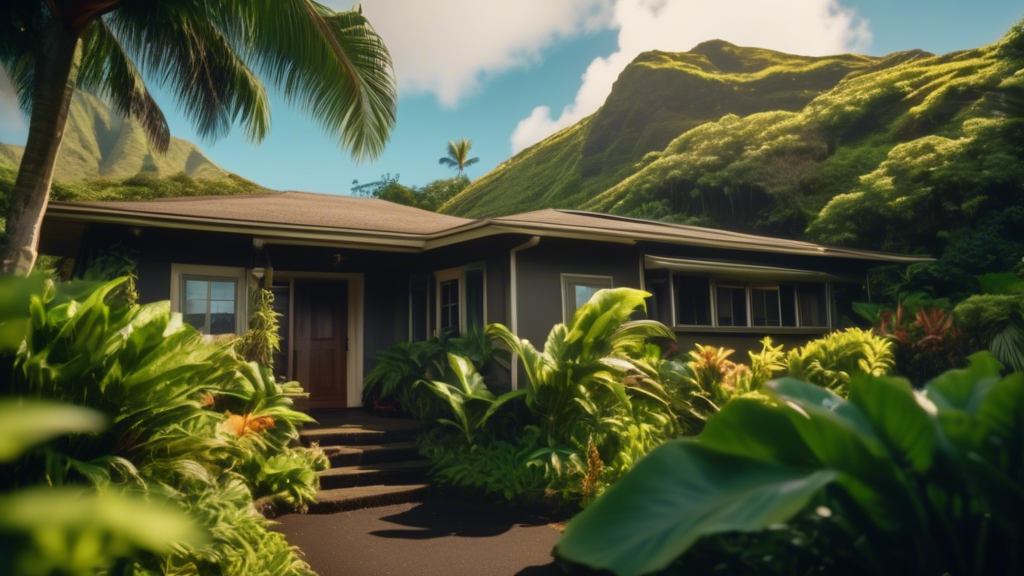
Understanding the Challenges of Home Inspections in Hawaii
Home inspections are crucial for any real estate transaction, providing potential buyers with vital information about the structural and functional integrity of the property. In Hawaii, however, there are unique challenges that can prevent buyers from conducting these inspections. These challenges range from environmental factors to market dynamics. Understanding these obstacles can help both buyers and sellers manage their expectations and preparations for a home sale.
Geographical Constraints
Hawaii’s distinct geographical features significantly impact home inspections. Many properties are located in remote or hard-to-access areas, particularly in regions like the Big Island’s more rural districts. The rugged terrain can make it difficult and, at times, dangerous for home inspectors to reach and thoroughly assess certain properties. As a result, buyers might encounter logistical issues when trying to conduct a comprehensive home inspection.
Environmental Factors and Natural Disasters
The Hawaiian Islands are prone to a variety of natural disasters, including volcanic eruptions, earthquakes, and tsunamis. Areas susceptible to these events may face higher insurance costs, discouraging thorough inspections due to potential future liabilities. Additionally, the tropical climate accelerates wear and tear on buildings, including issues such as mold, wood rot, and corrosion, complicating the inspection process and sometimes leading to incomplete evaluations.
High Demand in the Housing Market
The real estate market in Hawaii often operates under high demand and low inventory conditions, creating a seller’s market where homes sell rapidly, sometimes within days of listing. In such environments, sellers may prefer buyers who waive inspection contingencies to expedite the sale process. This can pressure buyers into foregoing a home inspection to make their offer more attractive amidst competitive bidding scenarios.
Regulatory and Inspection Standard Variances
Differences in local regulations and standards for home inspections can also pose challenges. Hawaii’s diverse counties may have varying rules regarding what must be inspected, by whom, and to what extent. These variances can lead to confusion and inconsistent reporting, which in turn can make buyers hesitant to trust the inspection process or invest in it.
Cost of Home Inspections
Conducting a home inspection in Hawaii can be significantly more expensive than on the mainland, primarily due to travel costs for inspectors, especially if they need to visit multiple islands. Additionally, the high cost of living contributes to higher fees for professional services, including those of qualified home inspectors. These cost factors can deter buyers from prioritizing inspections in the home-buying process.
Limited Availability of Qualified Inspectors
There is a limited pool of qualified home inspectors in Hawaii, particularly in less populated areas. The islands’ remote locations can hinder professionals from accessing training and certification programs. This scarcity increases wait times and costs, adversely affecting a buyer’s ability to arrange a timely and thorough home inspection.
Conclusion
While home inspections are an essential aspect of purchasing real estate, various factors in Hawaii complicate the process for buyers. From geographical and environmental challenges to market dynamics and regulatory inconsistencies, understanding these unique issues can help navigate the complex landscape of buying a home in the islands. Buyers should weigh these factors carefully and work closely with real estate professionals who understand the local market nuances to ensure they make informed decisions.